Open Source
I wanted to read the source code and find the bugs for myself...

In college, I decided I wanted to be a software engineer. I was in college in the late 90s and graduated in the early 2000s. This was during the time that Microsoft began to get popular and the internet went from being a niche, obscure arena of the nerds, of which I was one, to becoming mainstream. Google had just come into existence and was not yet a household name.
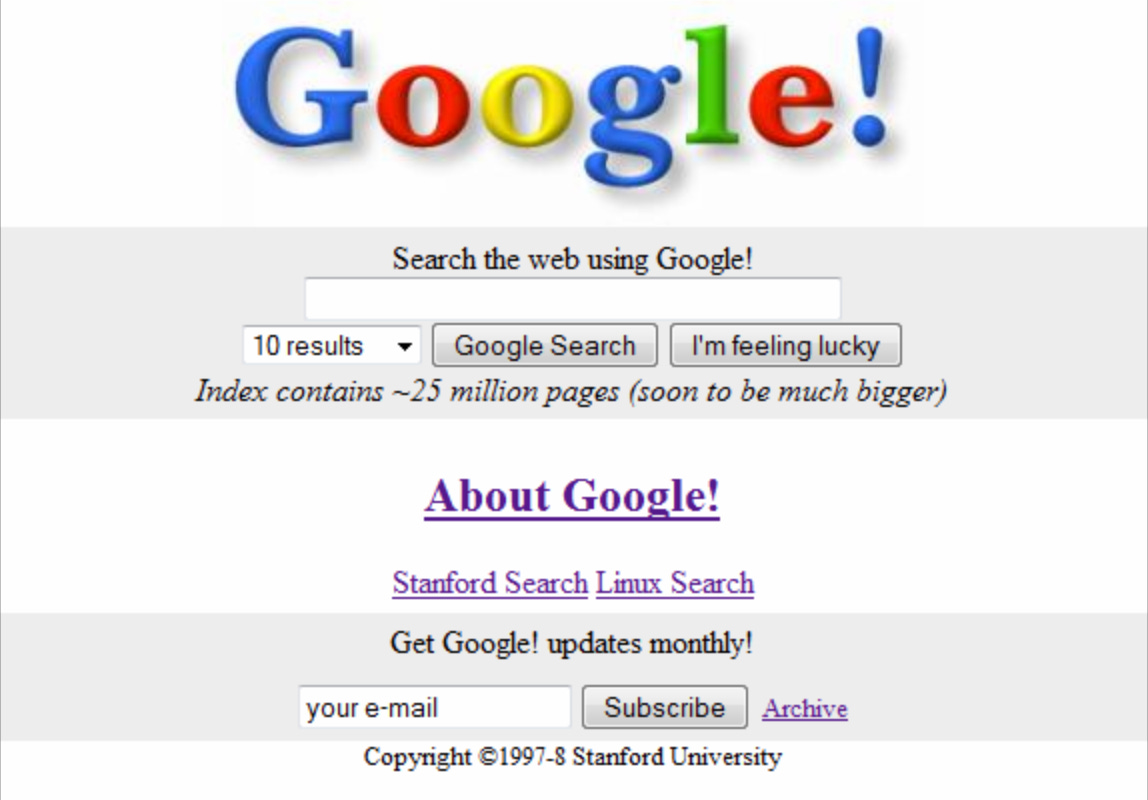
Facebook had not been created, nor had Twitter/X, TikTok, or Instagram. Phones didn’t have screens. It was during this time that I earned my bachelor’s degree in Computer Science and was ready to create the next Microsoft.
The prevalent programming languages of the time were C, C++, and Java. I used these languages in college and started working on my own ideas for things I thought were cool. I soon found out that if you wanted to build nice-looking computer applications, you had to pay for a subscription to use the most current tools. This could be circumvented if you worked for a company that had access to the tools, but I did not have a job after college.
I stumbled upon open source software as a free solution for doing software development without paid tools. Open source means the software is free to anyone who wants to use it, and the source code that runs the software is also free and available to anyone who wants to look at it or make changes.
There are communities that believe code should be openly available for a variety of reasons. One is knowledge sharing, a person should be able to see how something works and learn how to do it themselves. Many companies believe institutional knowledge is a competitive edge, and by keeping that knowledge secret, they preserve that edge.
Another benefit of open source is that it allows anyone to fix a problem or bug in the code. When software is closed source, essentially the opposite of open source, a problem may exist, but only the company that built the software can fix it. Who knows how long it might take them? The bug might be low on their list of priorities.
A well-known example of this is the Microsoft Windows “blue screen of death.” Microsoft was known for being closed source for many years. Windows 98 was highly popular when it came out in 1998. It had a graphical interface that was engaging to both novice and experienced computer users, and it became widely used in business and personal settings.
However, at any time while using Windows 98 (and many versions that followed), the screen could suddenly turn blue and display a message that the computer had a problem and needed to restart. It didn’t matter what you were doing, playing a game, writing a paper, anything. Whatever you were doing was likely lost unless you had saved it.
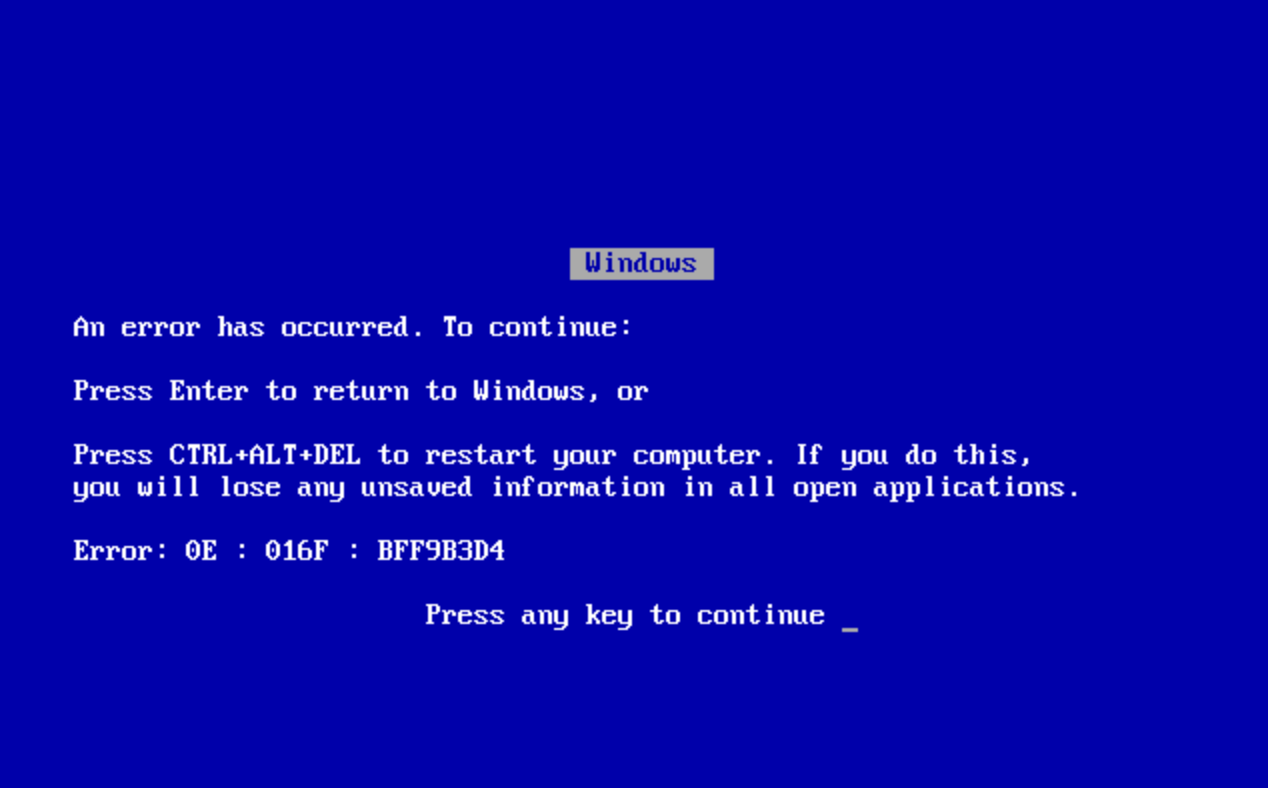
This problem persisted because the source code was closed. Only Microsoft could fix it.
There were alternatives to Windows, such as Apple/Macintosh, Unix, and Linux. Linux was an open source operating system, and it gained popularity with programmers and enthusiasts who wanted to see what was happening “behind the curtain” and make changes or fixes without waiting on anyone else.
There are many other benefits to open source, but these are the big ones. As a broke college graduate, I became a big fan of open source software and of being able to look at the code that makes computers do what they do.
I eventually got a job as a software engineer and worked on both open source and closed source projects. After a 20-year career in the software industry, I started looking for work that felt more fulfilling and meaningful, work that would make a larger positive impact on society and the world. It was nice to contribute to a project and write code that would be useful to someone, but after a while, I realized I wanted to make a bigger impact than what a single software project could offer.
I later realized this was the Holy Spirit calling me to something bigger than what I was doing. In 2022, I joined seminary and shifted my focus to learning more about the Bible and what we are supposed to do with it.
People have different ideas of what the Bible is. For some, it’s a big, imposing book of rules and regulations. For others, it’s a book of stories that may or may not have happened. Some have only heard about the Bible from pop culture, friends, or second-hand sources.
I can say that I honestly approached the Bible with skepticism. I had grown up in church, gone to Bible camp, and participated in various church activities, but in my early 20s, I doubted what Christianity was actually about. I had heard the Bible contradicted itself. I wanted to be done with it. But I realized I didn’t even know what was in it. I had heard preachers say things, but I couldn’t point to where those things were written. I knew a few verses, but the Bible was a lot bigger than those verses. And those verses had context, writing before and after them. It wasn’t just a book of clever sayings; the verses belonged to a story.
So I decided to read the Bible because I wanted to disprove it and find contradictions. I wanted to read the source code and find the bugs for myself.
I started reading one chapter a day, beginning in Genesis. After about two months, I got through Genesis and found no contradictions. I was disappointed and wanted to give up, but I decided to keep going and started Exodus.
At the very least, the Bible was telling a story, and I wanted to know how that story continued. Then I reached the story of Moses and the children of Israel in Egypt, and everything changed. It was interesting, captivating even. Moses goes before a king, demands freedom for slaves, performs miracles, parts the Red Sea, leads the people to safety, and God drowns their pursuers.
I had heard these stories growing up, but reading them firsthand was completely different. I was disappointed that preachers hadn’t expressed the story as powerfully as it was written. I still hadn’t found any contradictions. And by the end of Exodus, I found myself truly engaged and wanting more.
The Bible is more than a book; it’s a collection of 66 books. You can experience it second-hand, hearing others talk about it, but eventually you must experience it firsthand.
I never found bugs in the code. Instead, the Bible revealed bugs within myself.
I realized that even though I had grown up in church, I had only scratched the surface. Learning about God is more than hearing what someone else says; it’s a quest each person must take for themselves.
Reading the “source code” of the Bible has proven more fulfilling than any software project I’ve seen or worked on. It’s a volume that has engaged countless people for thousands of years. There are even books outside the Bible that help provide context. Behind the English translation are the Greek and Hebrew texts, closer to the actual source code.
I’m at a point where it feels like an endless world of discovery. Some people have made it their life’s work to understand Scripture and make it understandable for others. That work is vital. So many people don’t know where to start or don’t engage with the Bible for various reasons, not realizing that many of their questions could be answered in its pages.
I wrote this post to encourage someone to explore the Bible for themselves. As I reflect on my curiosity for getting to the source code, my hope is that someone else will do the same and be led to the source of all life.
The Bible is our guide to rediscovering our relationship with God. Only by rediscovering God can we find true peace within ourselves.
I love the analogy of open source code and bug fixing when looking at the Bible. This made for a great read. Thanks for sharing your story!
100% agreed! Great job Hubby